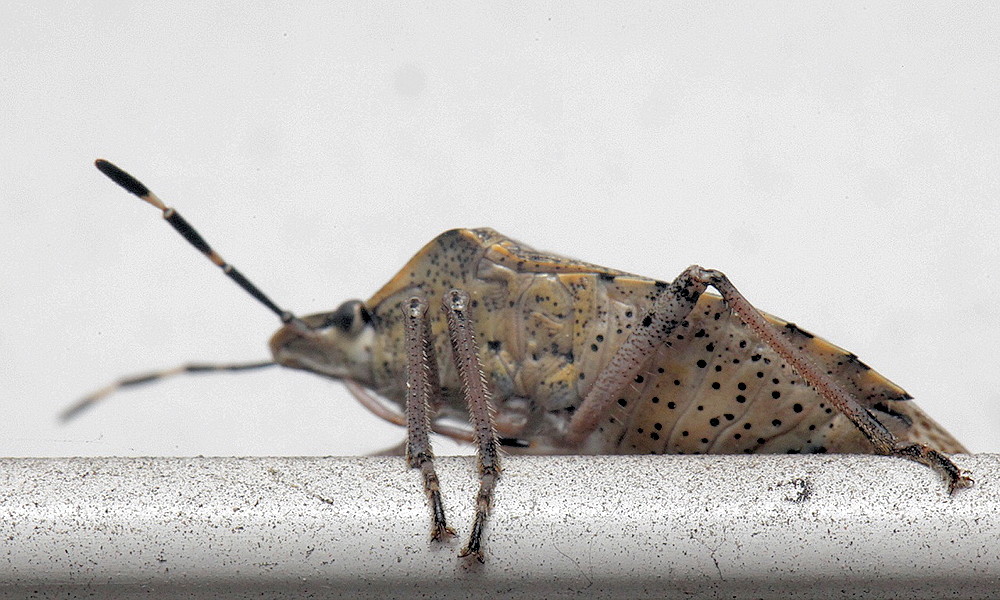

All summer they’re annoying, in autumn they’re everywhere, and in winter they seem to vanish. But stink bugs don’t disappear – they retreat.
For gardeners, winter isn’t about feeding or breeding for these insects. It’s about survival. Species like the brown marmorated stink bug (Halyomorpha halys) enter a state of dormancy as temperatures drop. Their metabolism slows, movement becomes minimal, and they rely entirely on stored energy to make it through the cold months.
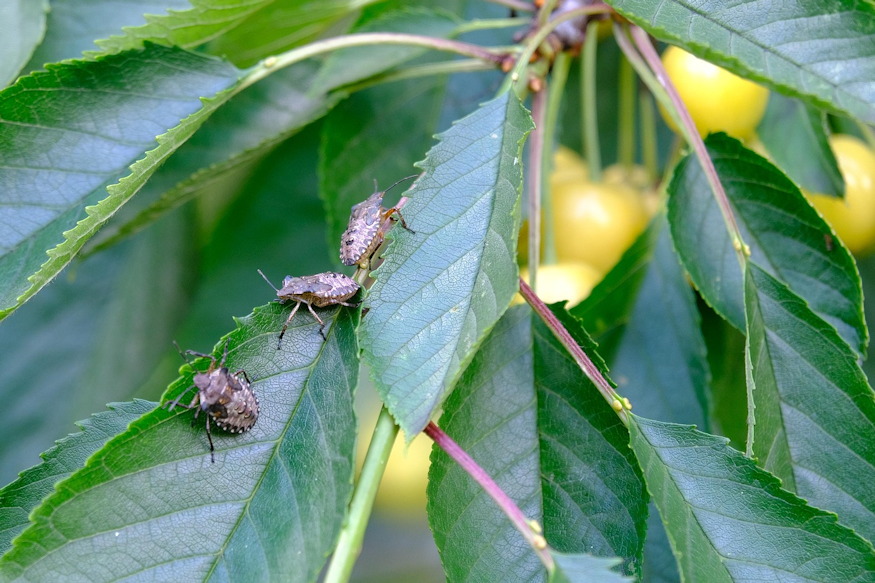
Winter Is Not a Pause Button – It’s a Strategy
Cold-blooded insects don’t generate their own body heat. Instead, they match the temperature of their surroundings. When the environment cools, their biological processes slow down dramatically. This energy-saving mode allows them to survive conditions that would otherwise be lethal.
In ecological terms, this overwintering phase is one of the key reasons stink bug populations rebound so quickly each spring.
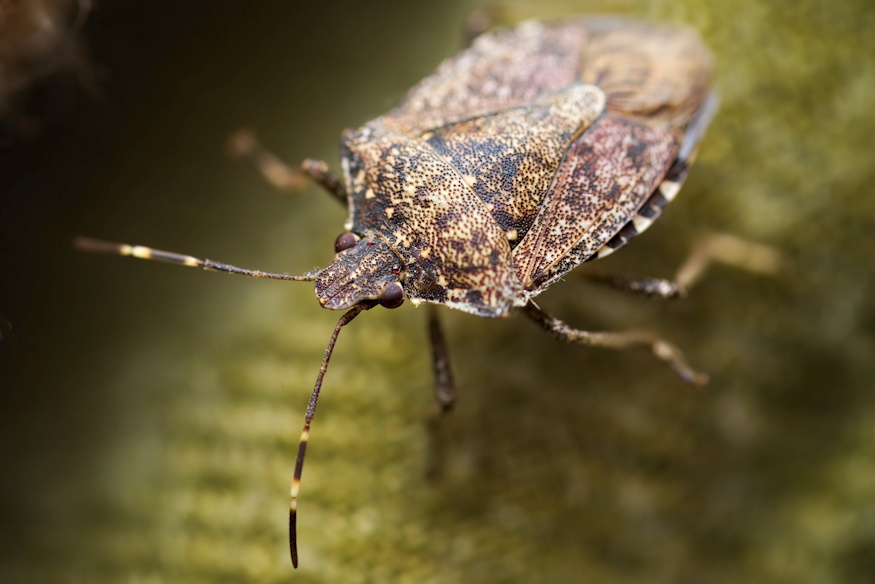
Hidden Shelters in the Garden
During winter, stink bugs seek dry, protected spaces with relatively stable temperatures. In gardens, this often means cracks in tree bark, stacked firewood, compost piles with dry pockets, garden sheds, and layers of fallen leaves.
A natural, slightly untidy garden can unintentionally provide excellent winter shelter.
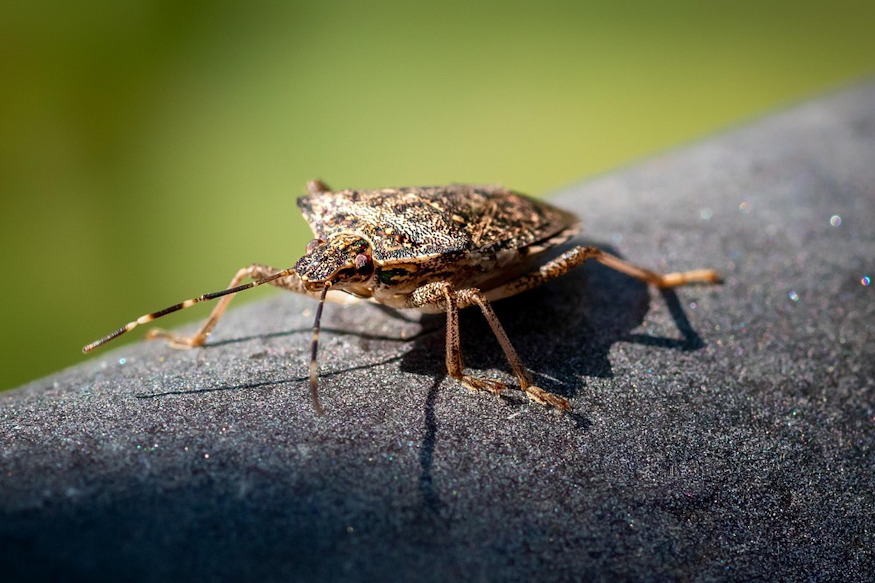
Why Homes Attract Them
As temperatures drop suddenly in autumn, stink bugs are drawn to sun-warmed, light-coloured surfaces. Walls, window frames, shutters and roofs act like giant heat collectors. When they find small gaps, they crawl inside – not to live there permanently, but to overwinter.
Once indoors, they remain largely inactive until warmer conditions return.
A Small Comfort for Gardeners
Overwintering stink bugs cause no damage to plants. They don’t feed, reproduce or spread during winter. The real issue begins in spring, when rising temperatures wake them up and send them back into the garden.
Understanding their winter behaviour is the first step toward managing them more effectively – without panic, chemicals or unnecessary interventions.
And that’s where the next season’s strategy truly begins.