


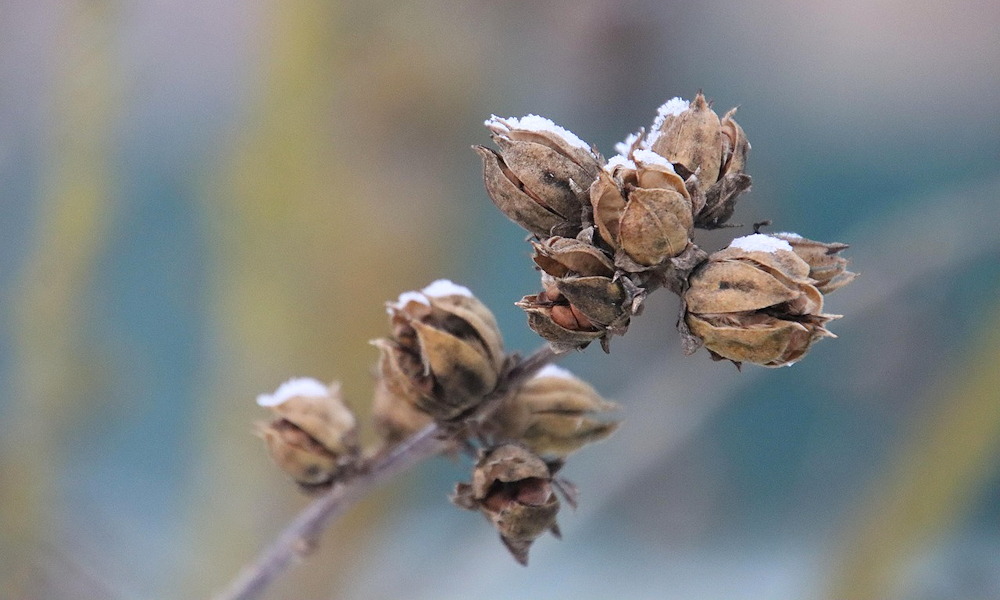

In autumn, aphids crowd fresh shoots and test a gardener’s patience. Then winter arrives, the garden falls silent, plants stand bare — and the aphids seem to vanish. Many gardeners breathe a sigh of relief, assuming the problem has solved itself.
In reality, aphids have not gone anywhere. They have simply changed form.
Rather than leaving, they do what they do best: adapt.
Winter Is Not Disappearance, but Strategic Retreat
Aphids are remarkably resilient insects. When temperatures drop, they do not attempt to survive through activity or feeding. Instead, they shift into a different survival strategy.
For most species, winter is not about adult aphids at all. The key players are their eggs — tiny, durable structures designed to endure cold, wind, and moisture. These eggs function like biological time capsules, waiting patiently for conditions to improve.
Where Aphids Spend the Winter
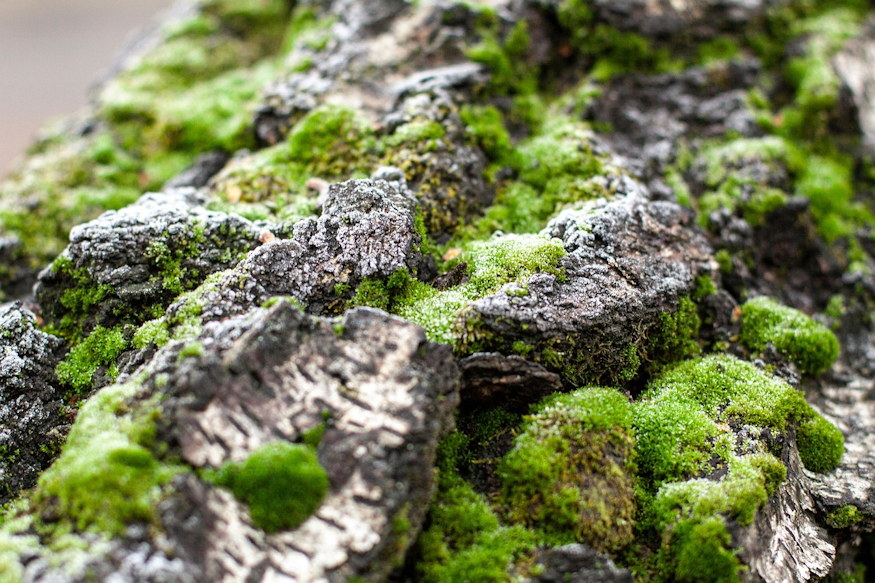
Aphid eggs are not laid at random. They are placed with precision in locations where the host plant itself provides protection.
Most are found near the base of buds, tucked into bark crevices, at branch junctions, or on sheltered sections of perennial stems. These microhabitats reduce exposure to extreme cold and drying winds.
For aphids, such sites act like a winter coat: not warm, but sufficiently protective to survive until spring.
What Happens to Adult Aphids?
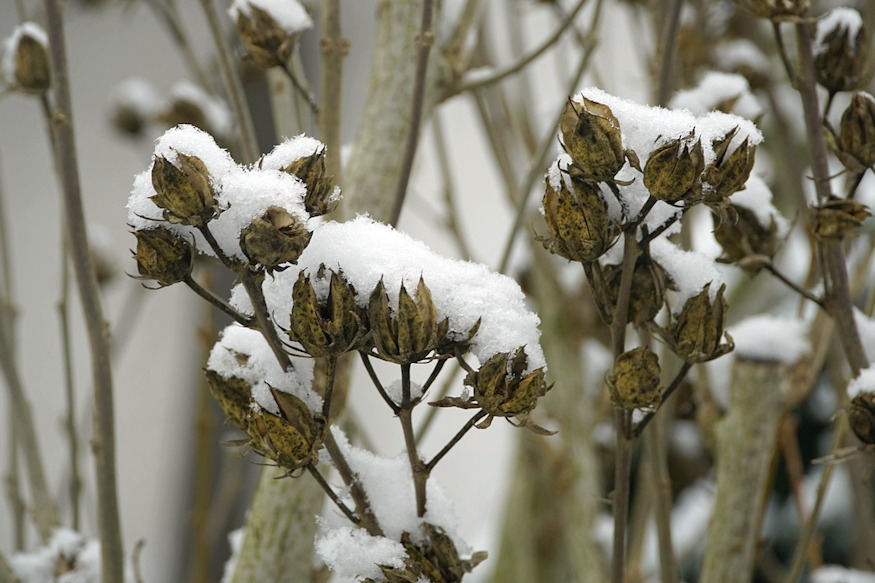
Most adult aphids do not survive winter conditions. Once sustained frost arrives, active individuals die off.
This does not threaten the population, however. By the time cold weather sets in, the next generation has already been secured in egg form. As soon as buds begin to open in spring, those eggs hatch — precisely timed to coincide with the availability of fresh, nutrient-rich plant tissue.
This timing explains why aphids often appear to return overnight.
Some Aphids Never Fully Shut Down
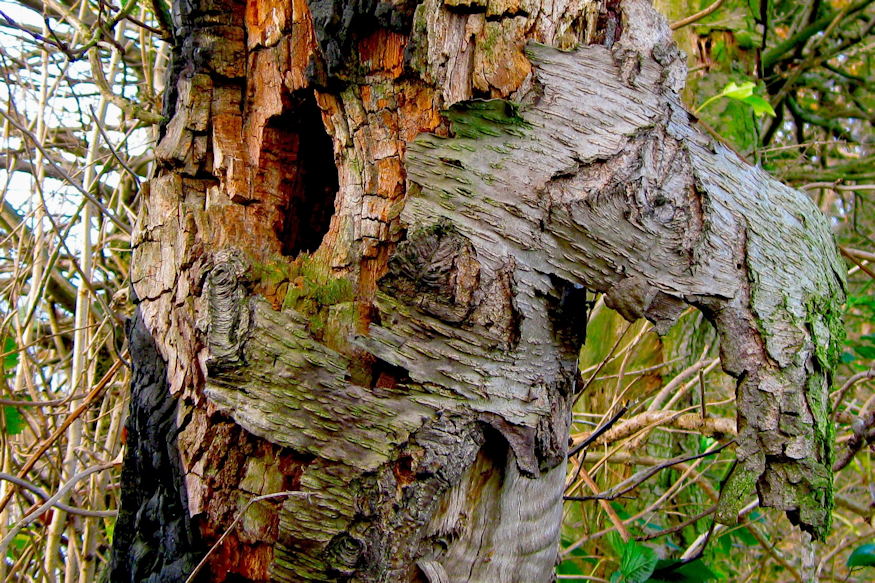
Not all aphids follow the same winter script. During mild winters, or in protected environments such as greenhouses, polytunnels, or sheltered walls, certain species may remain weakly active.
They persist at low levels, reproducing slowly until temperatures rise. When spring arrives, these small populations can expand rapidly.
Why Aphid Populations Surge in Spring
Aphids possess one of the most efficient reproductive systems in the insect world. In spring, many species reproduce through parthenogenesis — females producing offspring without mating.
This allows populations to grow exponentially. From a single surviving individual, a large colony can develop in a very short time. Seen through this lens, the so-called “sudden invasion” is no mystery at all.
What This Means for Gardeners
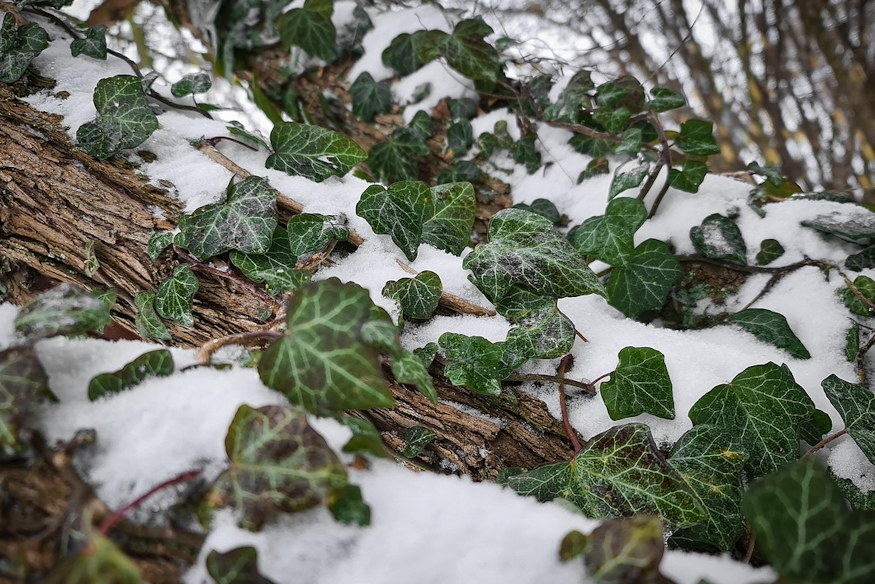
The winter presence of aphids is largely invisible, but very real. Winter is not the season when problems disappear — it is the quiet preparation phase for the growing season ahead.
Understanding this cycle does not call for alarm. It provides context. When gardeners know where aphids overwinter and how they survive, their spring reappearance feels far less like an ambush.
The Garden Never Forgets
In a garden, nothing happens without a past. Aphids are present even when we cannot see them — simply in a different form, following a different rhythm.
Once this is understood, spring aphid outbreaks stop being a frustrating mystery and become a familiar, manageable pattern. And that understanding is already half the solution.