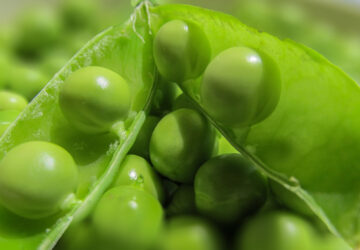
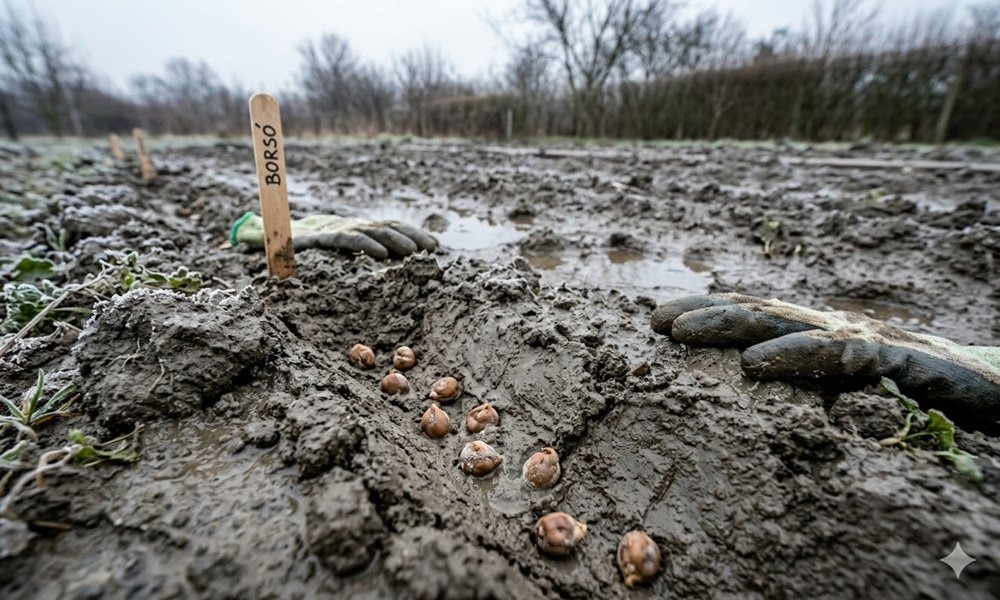

Peas are among the first vegetables gardeners sow in early spring. As soon as the soil becomes workable, many gardeners plant rows of peas expecting quick green shoots to appear. Pea (Pisum sativum) is indeed a cool-season crop, but that does not guarantee fast or reliable germination. Many gardeners face the same frustration: weeks pass and nothing emerges. In most cases, pea seeds fail because of three factors: rot, excessively wet soil, and low soil temperature.
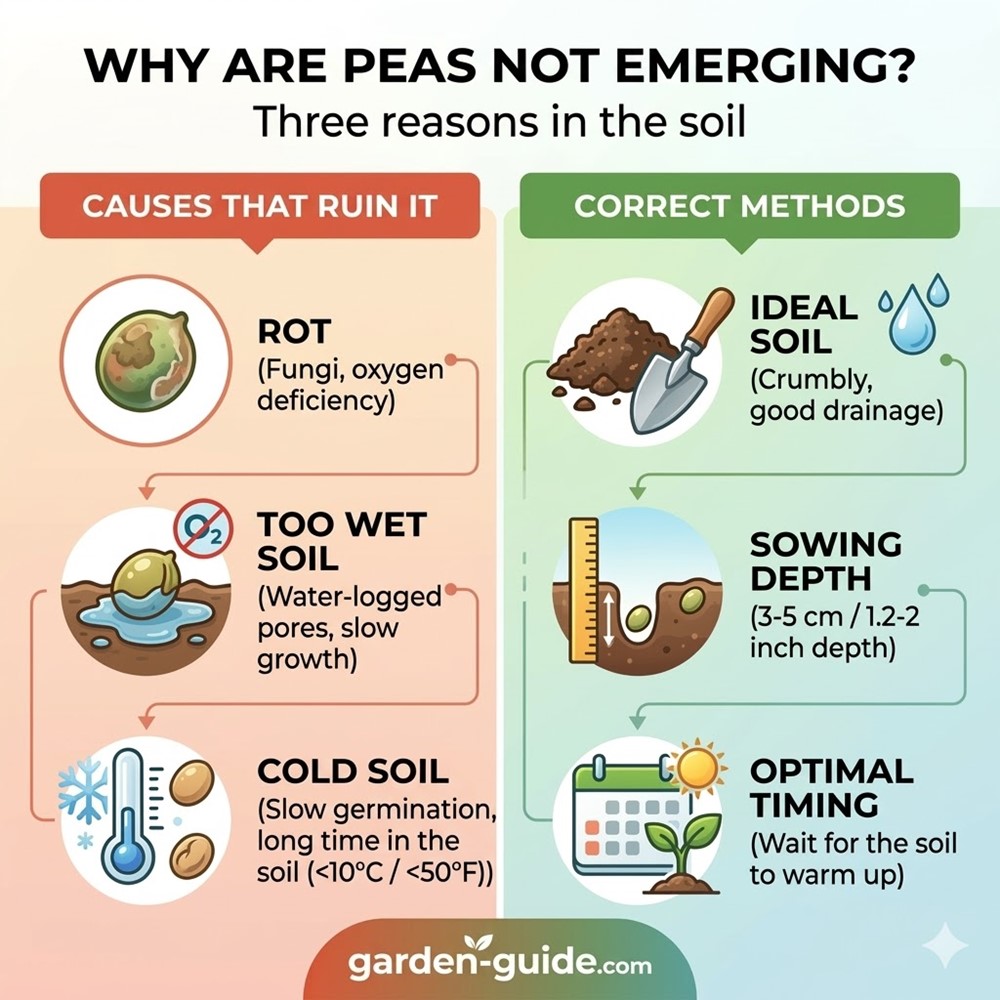
Seed Rot Before Germination
Pea seeds absorb large amounts of water when germinating. If the soil remains too wet or poorly aerated, the seeds can rot before seedlings even begin to grow. Soil naturally contains fungi and microorganisms that break down organic material. Under overly wet conditions these organisms may attack germinating seeds as well. Rotten seeds often disappear completely in the soil or turn into soft brown residues.
Excess Moisture and Oxygen Shortage
Although peas require moisture to germinate, waterlogged soil creates oxygen deficiency around the seed. Without adequate oxygen, germination slows and disease organisms become more active. The result is uneven or failed emergence. Well-drained, crumbly soil with moderate moisture provides the best conditions.
Cold Soil Slows the Process
Peas tolerate cool weather, but germination still requires a minimum soil temperature. Around 8–10 °C soil temperature usually allows reliable sprouting. In colder soil seeds may remain inactive for extended periods. During this delay they are more vulnerable to rot and soil pathogens.
Sowing Depth Matters
Peas are usually sown 3–5 cm deep. Shallower sowing may expose seeds to drying or birds, while deeper planting can delay emergence.
Timing the Sowing
The best sowing time arrives when soil is workable, no longer waterlogged, and beginning to warm. Waiting a few extra days for better soil conditions often leads to stronger and more uniform emergence.
Patience Is Often the Best Strategy
Peas are hardy plants, but they do not benefit from excessively early sowing in cold, wet soil. Slightly warmer and better-drained conditions often produce faster and more successful germination.
In many gardens the real key is not sowing as early as possible, but sowing when the soil is ready.