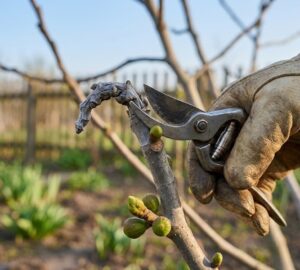

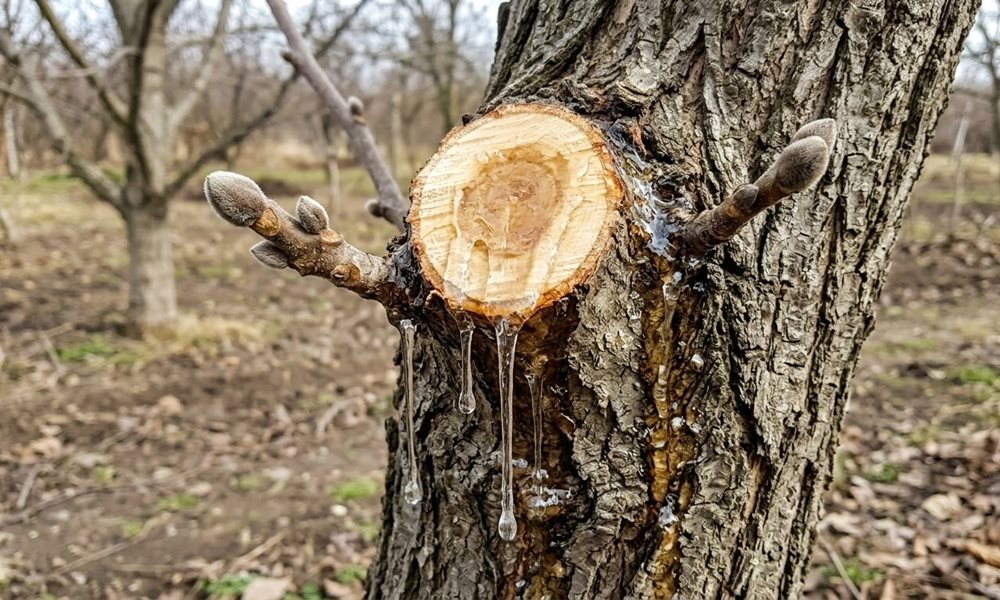

Many gardeners are surprised when they prune a walnut tree in early spring and see liquid dripping from the fresh cuts. The phenomenon can look dramatic, almost as if the tree were bleeding. This reaction is particularly common in the common walnut, Juglans regia.
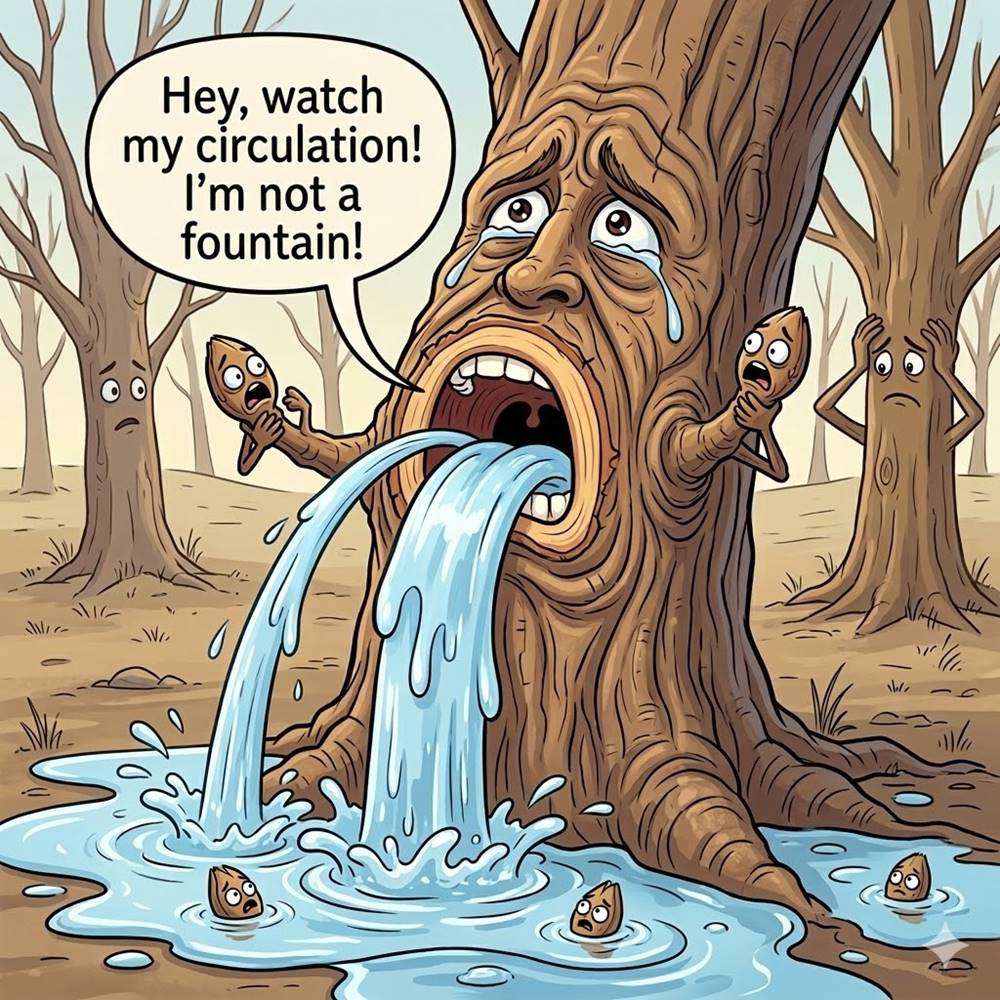
What Happens Inside the Tree in Spring
When soil temperatures rise, walnut roots begin absorbing large amounts of water. This creates strong root pressure that pushes water and dissolved nutrients upward through the trunk and branches. If a branch is cut during this time, the liquid inside the tree escapes through the wound. The dripping fluid is mostly water mixed with minerals and plant sugars. Although it looks alarming, it is a natural physiological reaction.
Why Spring Pruning Is Risky
When large branches are removed in early spring, sap can continue flowing out of the wounds for a long time. This may cause:
- loss of water and nutrients
- slow wound closure
- increased risk of fungal infection
For this reason many arborists avoid pruning walnuts during the moment when spring sap flow begins.
The Recommended Pruning Period
In home gardens the safest time to prune walnut trees is usually late summer to early autumn. During this period the tree is still active, but the intense spring sap pressure has already passed. Wounds close faster and the risk of infection is lower.
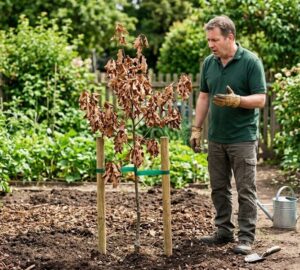
How a Bad Pruning Job Can Kill a Walnut Tree
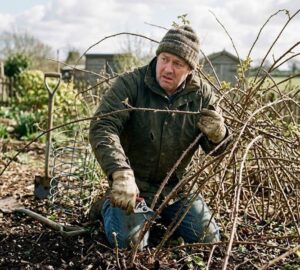
Walnut trees are tough, but they are not indestructible. Certain mistakes can seriously weaken them. The most damaging combination includes:
- removing large branches during spring sap flow
- creating many large wounds at once
- cutting branches incorrectly near the trunk
- removing too much of the crown in a single year
These stresses together can leave the tree vulnerable to disease and decline.
A Simple Rule for Gardeners
If sap begins dripping from a pruning cut, the tree is already in full spring activity. At that point the safest decision is often to stop and wait for a better season.
Late summer pruning usually causes far fewer problems and helps the tree recover more easily.