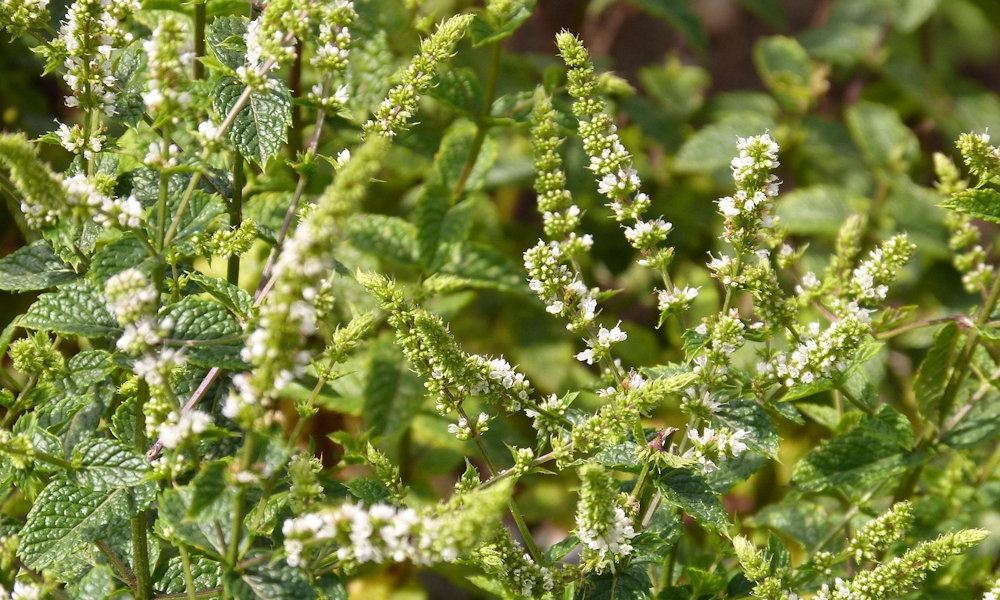

Mint lives in a strange contradiction in the minds of home gardeners. Online, it’s described as aggressive, invasive, impossible to stop. In real gardens, however, it vanishes with surprising frequency. And that’s when the awkward silence arrives: if this plant is truly unkillable, what did I do wrong?
Short answer: probably nothing. Longer answer: mint isn’t unkillable — it’s simply misunderstood.
What Does “Unkillable” Actually Mean?
Mint (Mentha species) doesn’t spread because it’s indestructible, but because it reproduces through running roots and quickly claims space when conditions suit it. That reputation only holds when those conditions are right.
Calling mint “unkillable” really means that when it’s happy, it’s hard to contain. When it isn’t, it retreats just as quickly — sometimes disappearing altogether.
The Most Common Reason Mint Dies
Mint’s greatest enemy isn’t cold or drought. It’s good intentions. In home gardens, mint is often planted where “all the nice plants thrive.” But mint doesn’t want to be decorative — it wants to survive.
In soil that’s too dry, too warm, overfed, or poorly aerated, its root system weakens. Instead of spreading, it slowly fades away. Mint doesn’t fight. It simply opts out.
Why It Thrives Everywhere Else
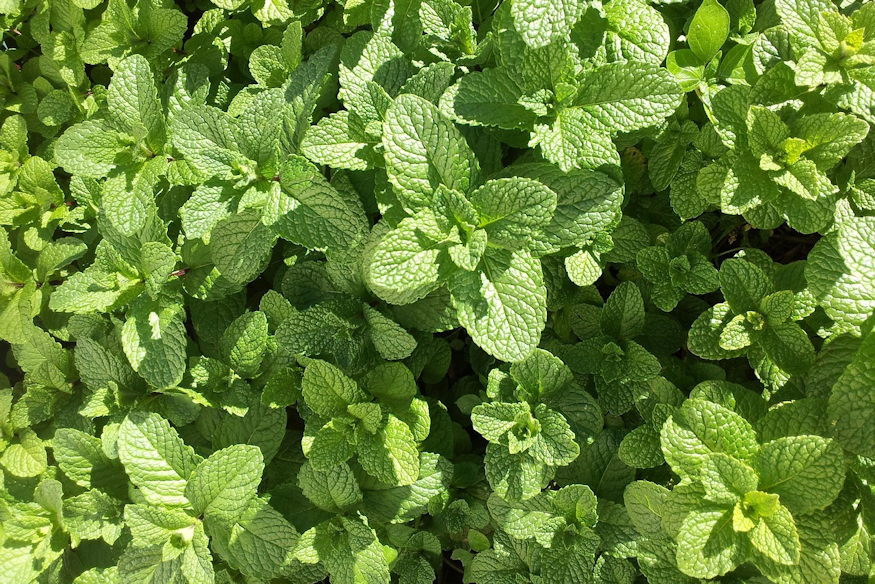
Where mint truly takes over, three things usually come together: moisture, space, and neglect.
It often appears in semi-shaded, slightly forgotten corners — along fences, near compost piles, under outdoor taps. Not by accident. Mint doesn’t choose manicured beds; it chooses functional survival.
Containers Aren’t the Enemy — Just a Different Rulebook
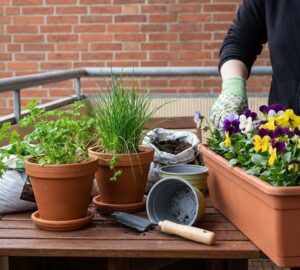
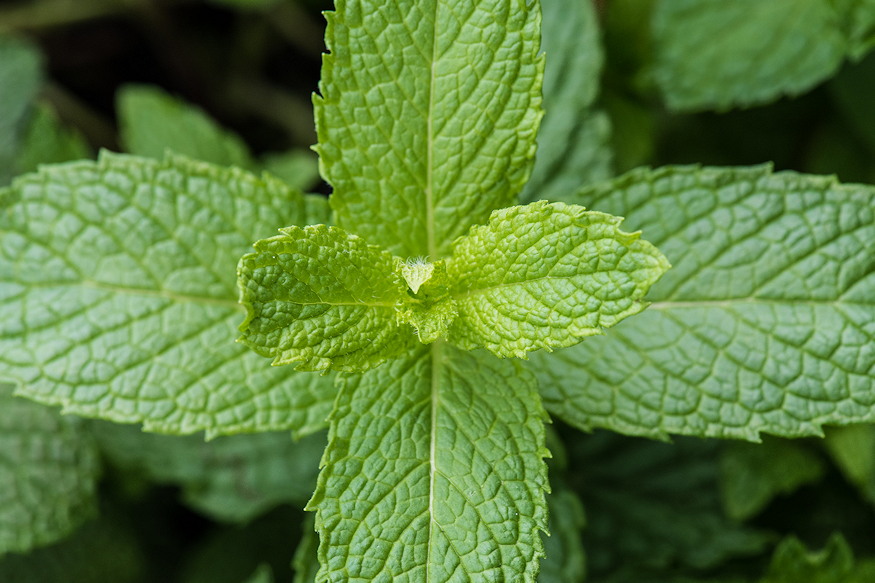
Many gardeners confine mint to pots to keep it under control. This can work, but only if we accept that potted mint is a different plant altogether.
With limited root space, it dries out faster, freezes more easily in winter, and reacts more sharply to watering mistakes. Growing mint in containers means managing a much narrower margin for error.
Why Asking Everything at Once Doesn’t Work
Mint is aromatic, fast-growing, and generous — but it doesn’t appreciate being pushed in every direction at once. Constant cutting, frequent transplanting, heavy feeding, combined with dry conditions, will eventually exhaust it.
Mint performs best when we ask little of it and allow it to follow its own rhythm.
So Is Mint Unkillable or Not?
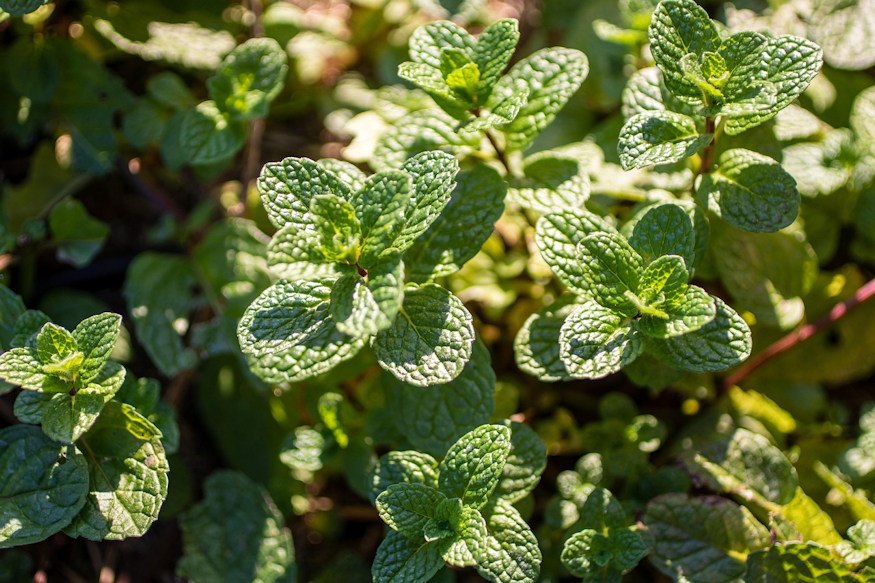
Mint isn’t indestructible. It’s just very good at showing where it feels at home. Where it belongs, it spreads. Where it doesn’t, it leaves — not out of spite, but because the environment doesn’t suit it.
That’s not gardening failure. It’s feedback. Mint doesn’t lie — it’s simply honest.
What’s Worth Taking Away
Mint’s story shows why internet labels don’t work in real gardens. A plant isn’t “good” or “bad,” “unkillable” or “delicate.” It either fits — or it doesn’t.
And if a supposedly unkillable plant disappears from your garden, it may not be your fault at all. It might simply be happier somewhere else.