

Hydrangeas are among the most popular ornamental shrubs in gardens. Their large, colorful blooms make them a focal point in many landscapes. Yet every spring gardeners ask the same question: should hydrangeas be pruned now, or left alone? The confusion is understandable. Different hydrangea species produce flowers on different types of growth, and pruning at the wrong time can remove the very buds that would have produced the summer display. Understanding the difference between these types is the key to successful pruning.
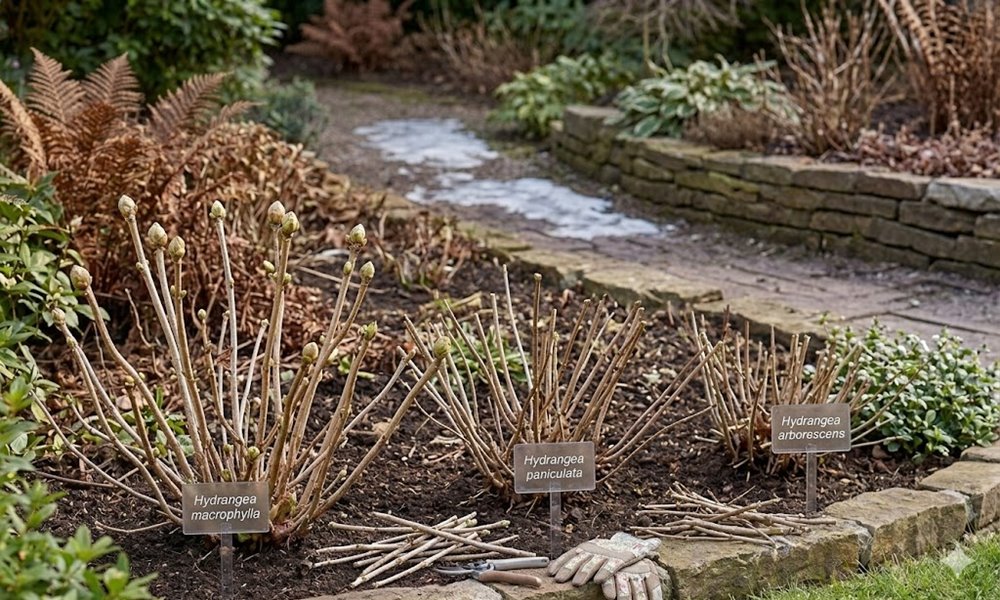
Panicle Hydrangeas – Safe to Prune in Spring
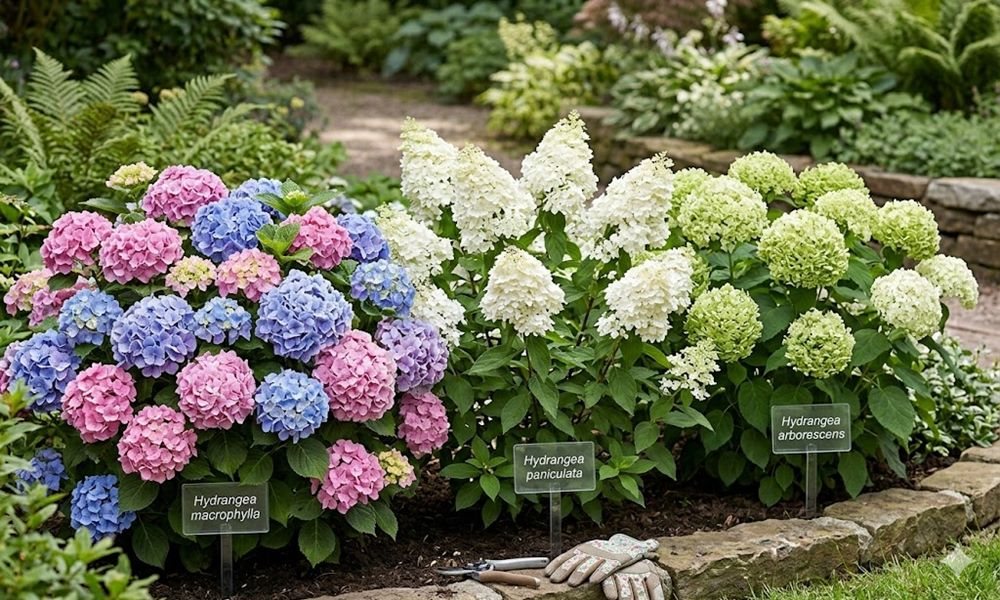
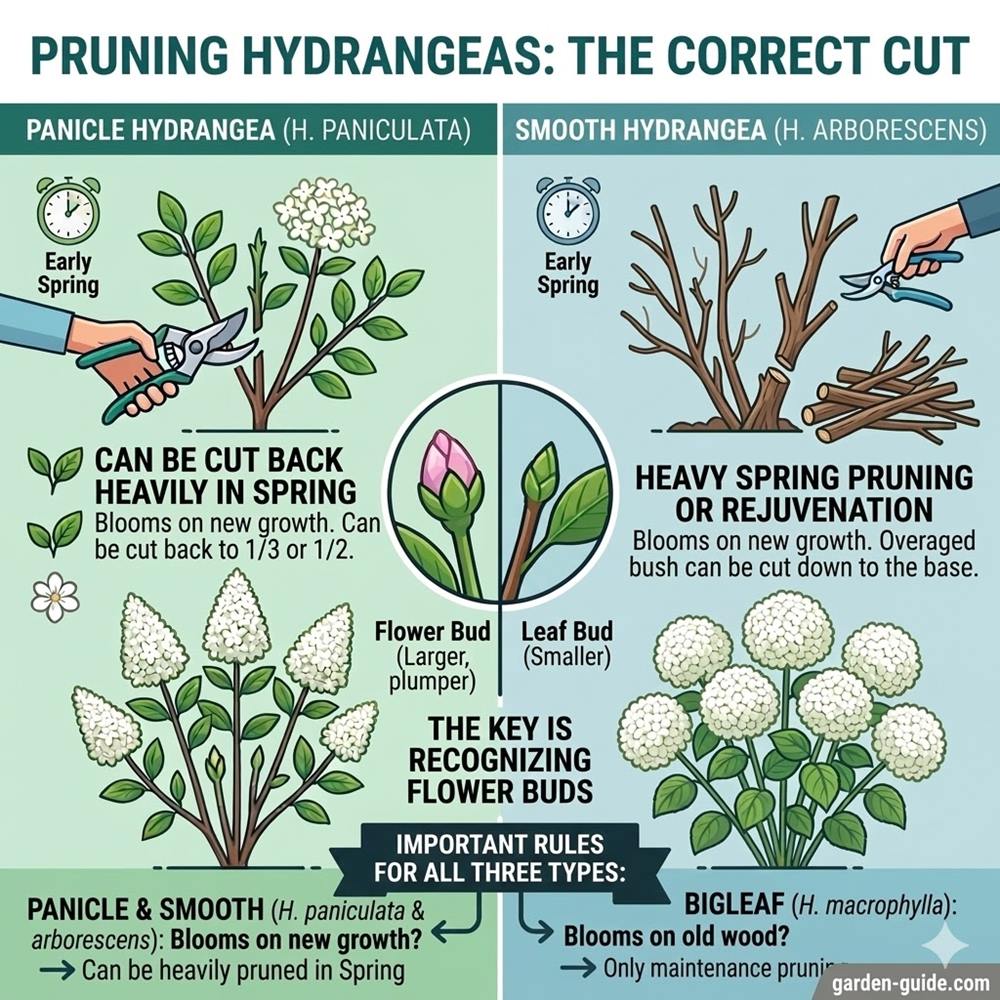
Panicle hydrangeas (Hydrangea paniculata) bloom on new wood, meaning they produce flowers on shoots that grow during the current season. Because of this, spring pruning is generally safe and often beneficial.
Cutting back these plants can encourage:
- stronger shoots
- larger flower clusters
- a more compact and balanced shrub shape
Pruning is typically done in late winter or early spring before active growth begins. Stems can often be shortened by one-third to one-half depending on the size and structure of the plant.
Bigleaf Hydrangeas – Where Mistakes Happen
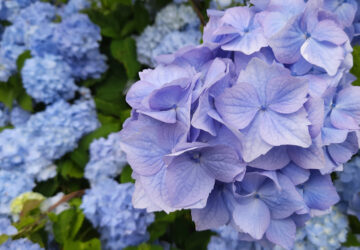
Bigleaf hydrangeas (Hydrangea macrophylla), often called garden hydrangeas, behave differently. Most varieties produce their flower buds on stems that formed the previous year. In other words, the flower buds are already present by the end of winter. If these stems are heavily pruned in spring, the plant will still produce leaves and new growth but may fail to bloom that year.
For this type, spring pruning should be minimal and focused mainly on maintenance:
- removing dead stems
- trimming frost-damaged tips
- thinning crowded branches
Heavy pruning should generally be avoided.
Recognizing Flower Buds
Flower buds are typically larger and rounder than leaf buds and often appear near the tips of the stems. If these buds are visible on bigleaf hydrangeas, they will likely develop into that season’s flowers. Removing them removes the blooms as well.
When Stronger Pruning Is Needed
Older hydrangea shrubs sometimes benefit from rejuvenation pruning. A few of the oldest stems can be removed at the base to encourage new growth. However, this process should usually be spread over several seasons to avoid eliminating the plant’s entire flowering display in a single year.
The Most Important Rule
Most pruning mistakes happen when all hydrangeas are treated the same way. The crucial question is simple:
- does the plant flower on new growth?
- or on last year’s stems?
Once that is clear, pruning decisions become much easier.
One careless cut can remove the summer flowers, but the right pruning approach can help a hydrangea produce its most impressive display of the year.