
Compost is often seen as a miracle material in the garden. It improves soil structure, recycles organic waste, and provides nutrients for plants. Because of these benefits, many gardeners assume that more compost automatically means better soil. In reality, compost is frequently misused. The most common problems arise not during compost production but when it is applied in the garden. Three mistakes appear again and again: using compost before it is fully mature, applying excessive amounts, and adding it in places where plants do not benefit from it.
Immature Compost
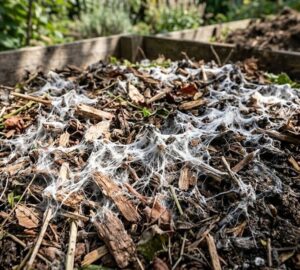
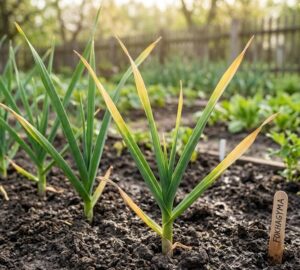
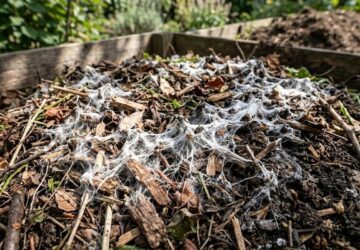
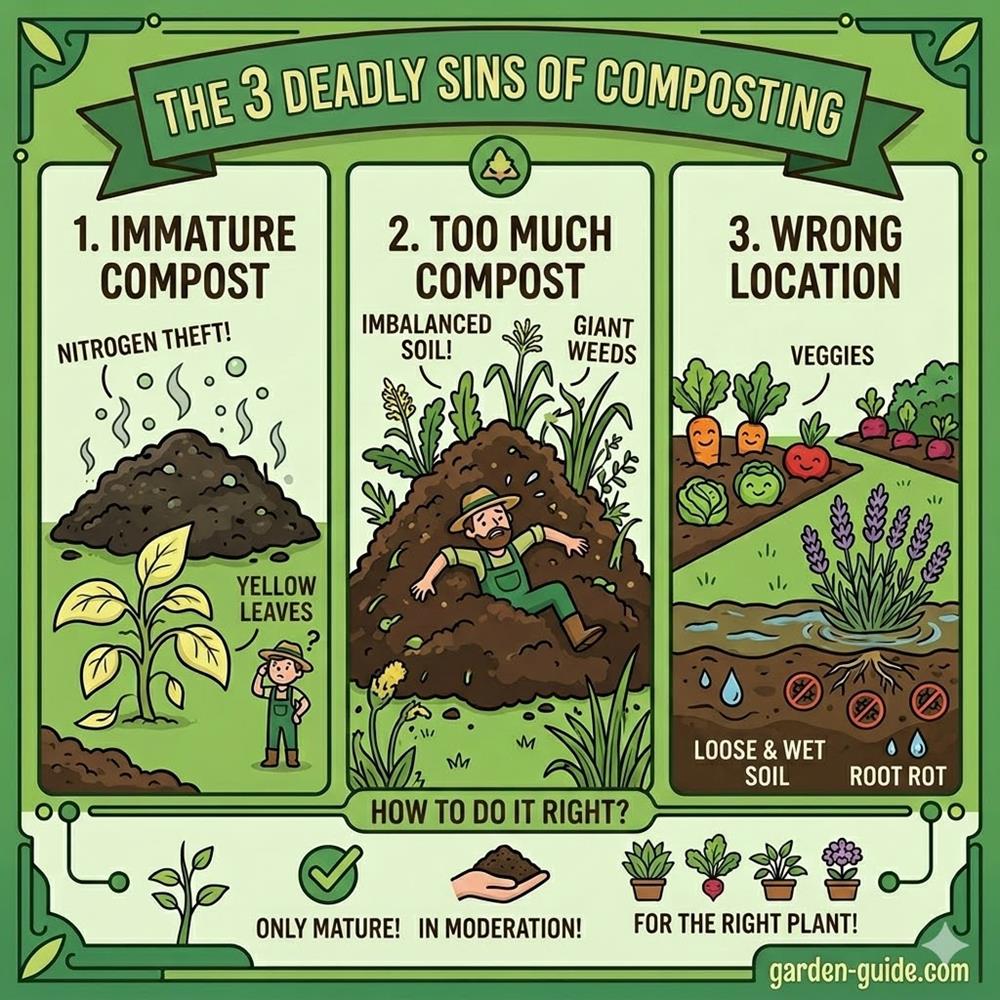
Compost that appears dark and partially decomposed may still be biologically active. If the decomposition process is not finished, microorganisms continue breaking down organic material in the soil. During this stage microbes may temporarily tie up nitrogen, making it unavailable to plants. As a result, plants may grow slowly or develop pale leaves despite the presence of organic matter.
Mature compost should have a crumbly texture and a pleasant, earthy smell. Original plant material should be difficult to recognize.
Too Much Compost
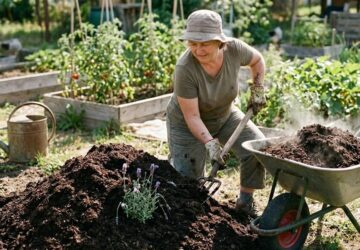
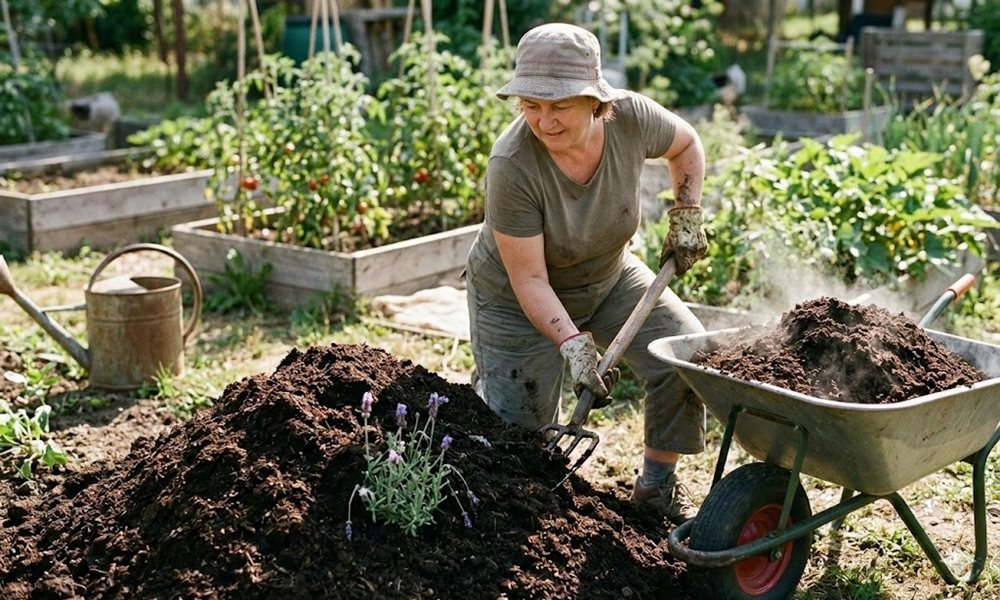
Another common mistake is applying compost in very thick layers. While organic matter improves soil health, excessive amounts can disturb nutrient balance and soil structure. High compost concentrations may lead to overly vigorous vegetative growth, nutrient imbalances, or increased weed pressure. In most gardens, compost works best as a moderate amendment rather than the main soil component.
Compost in the Wrong Places
Not every plant benefits from nutrient-rich soil. Vegetable beds generally respond well to compost additions, but many ornamental and drought-tolerant plants prefer leaner conditions. Mediterranean plants such as lavender and rosemary, as well as several perennial ornamentals, may struggle in overly rich or moisture-retentive soils created by heavy compost use.
A Balanced Approach
Compost is most effective when used thoughtfully. Mature compost applied in moderate quantities and matched to plant needs improves soil health without creating new problems.
Rather than a universal cure, compost should be treated as one tool among many in maintaining a balanced garden ecosystem.