

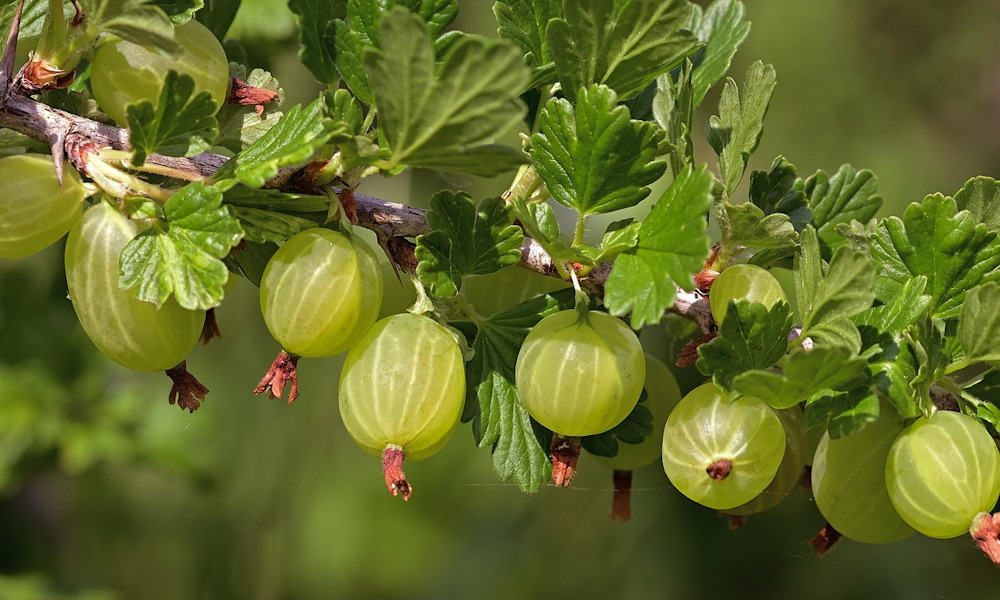

Gooseberries (Ribes grossularia) are known by many names across regions, reflecting their long history in European gardens. What remains consistent is their value: compact growth, reliable yields, and suitability for small spaces.
Often overlooked today, gooseberries were once a staple fruit shrub, prized for their productivity and resilience.
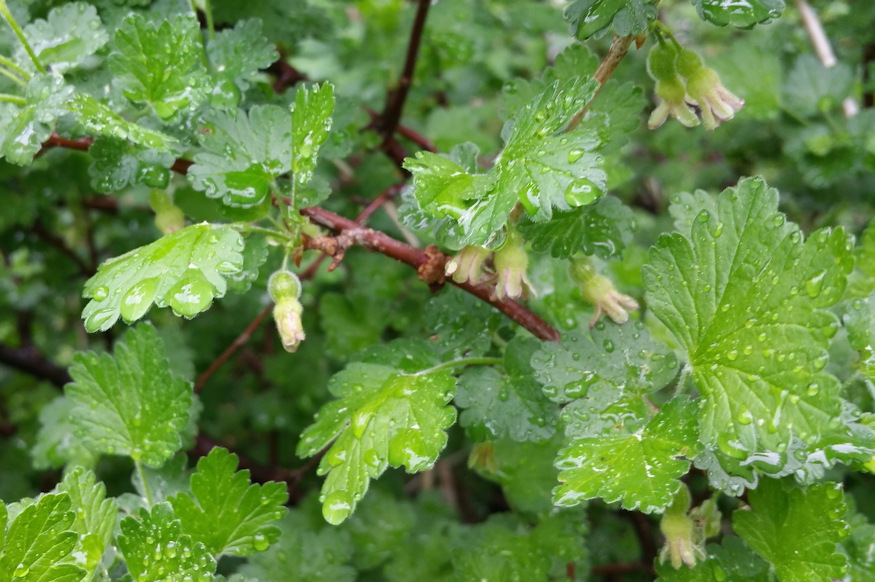
What Gooseberries Are Really Like
Gooseberries form medium-sized shrubs that remain manageable and respond well to pruning. They do not spread aggressively, making them ideal for smaller gardens.
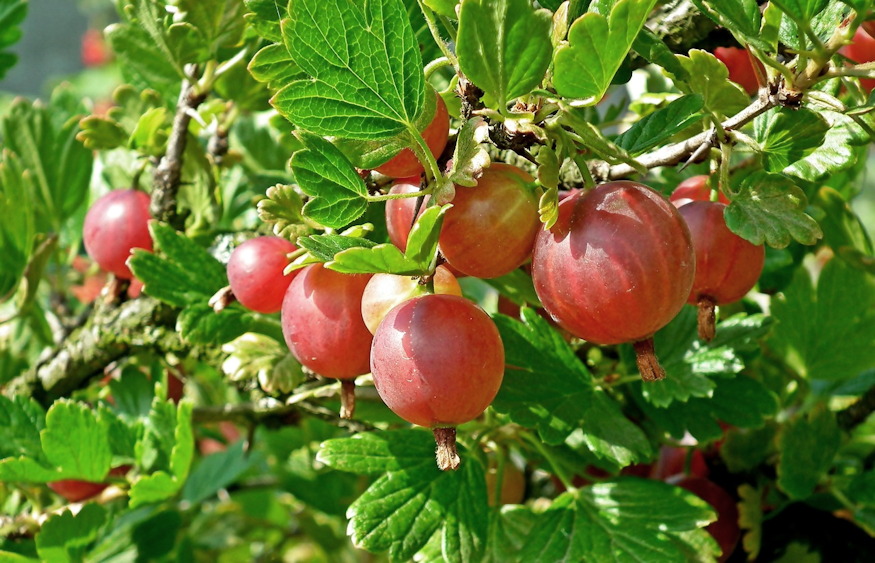
Varieties range from green to red-fruited types, each offering slightly different flavor profiles but similar reliability.
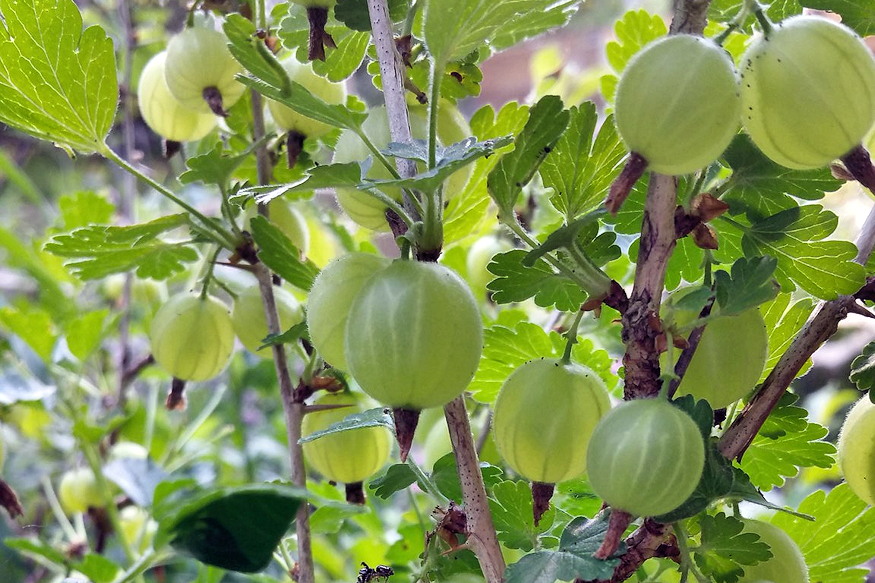
Planting – Choosing the Right Spot
Gooseberries prefer bright locations without excessive heat. Partial shade is often beneficial, especially in warmer climates.
Well-drained soil is essential, as waterlogged conditions weaken the plant and invite disease. Adequate spacing improves airflow and long-term health.
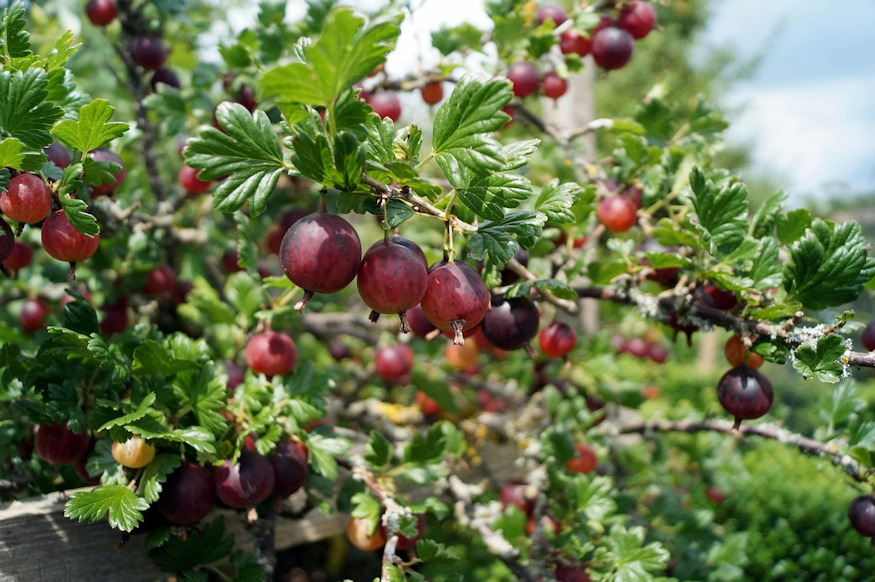
Care – Steady, Not Demanding
Gooseberries appreciate consistent moisture during fruit development but do not require intensive care. Once established, they perform reliably with minimal intervention.
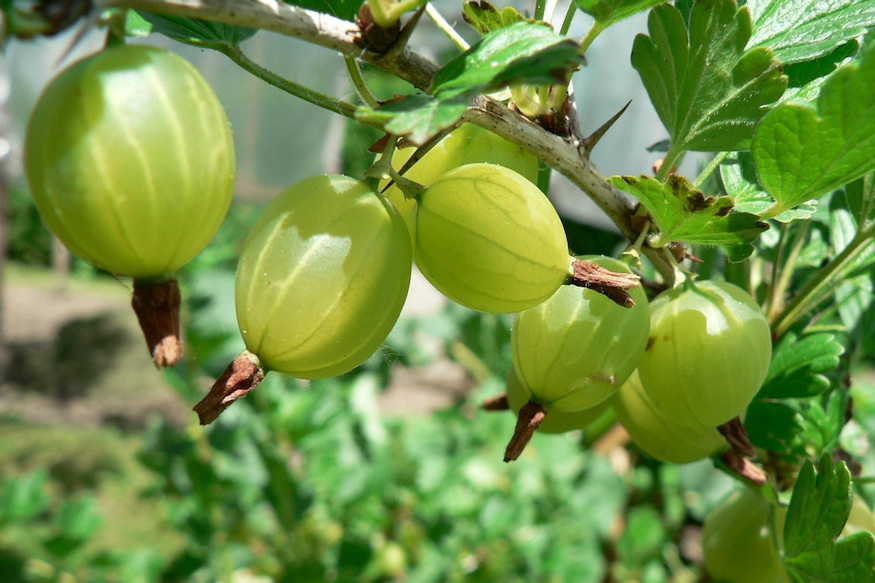
Pruning – Keeping the Shrub Productive
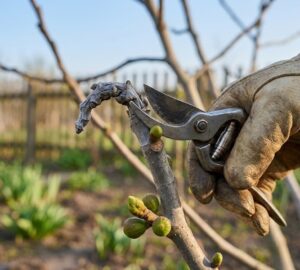
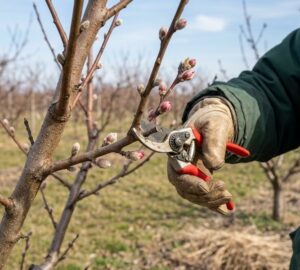
Pruning focuses on removing older, woody shoots to encourage renewal. An open structure improves light penetration and reduces disease pressure.
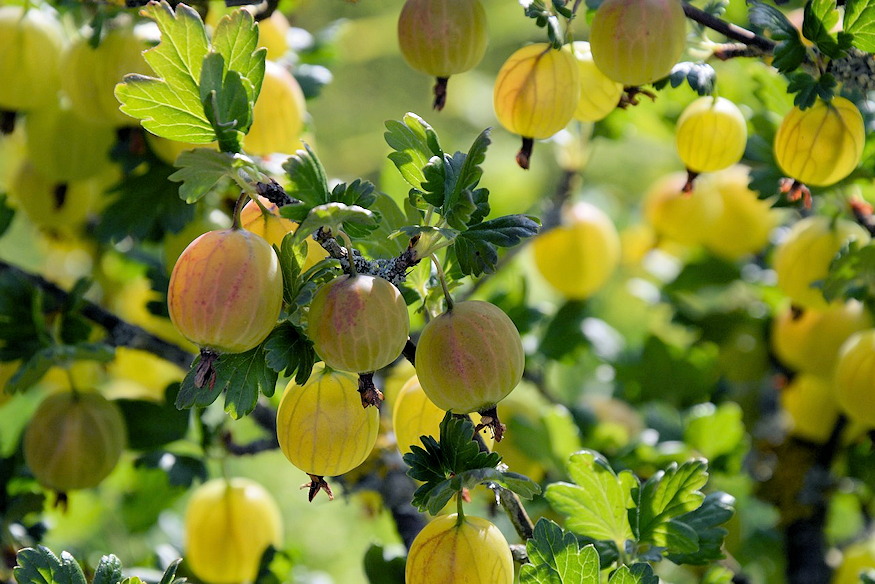
Pests and Diseases
Powdery mildew is the most common issue, particularly in dense or poorly ventilated shrubs. Aphids and sawfly larvae may also appear.
Strong structure, good airflow, and overall plant vigor remain the most effective defenses.
Why Gooseberries Suit Small Gardens
Gooseberries offer a rare combination of compact form and generous harvests. Even a single shrub can provide meaningful yields without overwhelming limited space.
For gardeners seeking reliability rather than novelty, gooseberries remain an excellent choice.