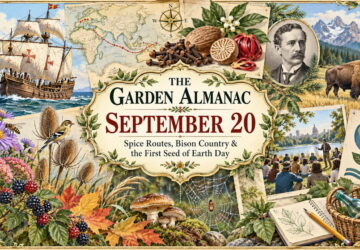
September 20 arrives at a threshold. In temperate gardens across the Northern Hemisphere, sunlight is thinning, seed heads are ripening
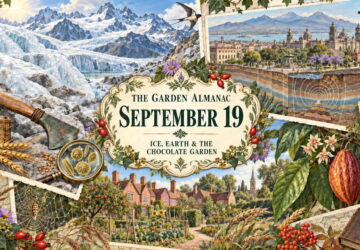
Garden Almanac for September 19: Iceman’s Einkorn, Earthquake Lessons and a Chocolate Garden Village
September 19 arrives at the hinge of the season. Across much of the Northern Hemisphere, mornings are cooler, shadows stretch
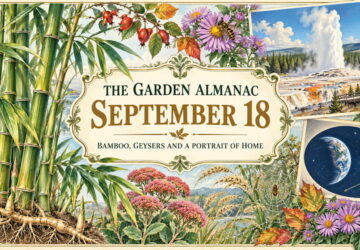
By September 18, the garden has begun to speak in two voices. There is still summer in the late flowers
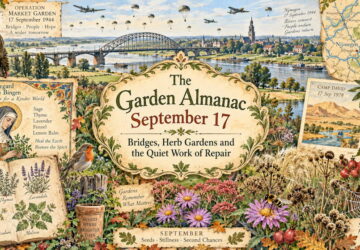
By September 17, the garden has begun to speak in a lower voice. The mornings are cooler, seedheads are drying,
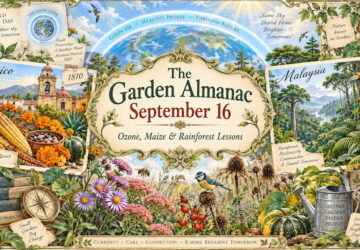
By mid-September, the garden begins to speak in a different register. The light is lower, the mornings are cooler, and

By mid-September, the garden has begun to reveal what summer made of it. Some borders are still bright with asters
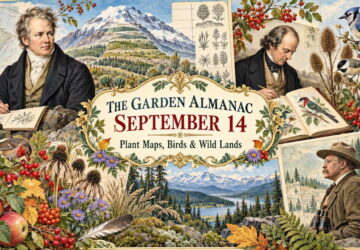
By September 14, the garden has begun to reveal which plants can prolong summer and which are already preparing to
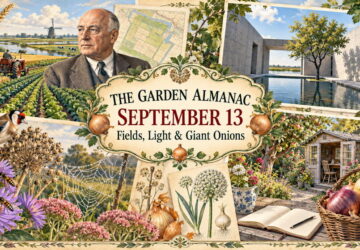
By September 13, the garden is beginning to speak two languages at once. Summer still lingers in ripening fruit, late
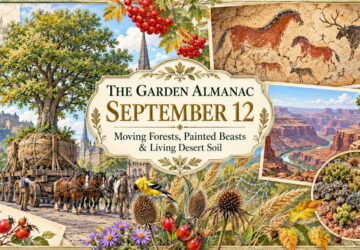
By mid-September, the garden is beginning to change its rhythm. Morning light arrives at a lower angle, seed heads replace

September 11 arrives at a seasonal threshold. Across much of the Northern Hemisphere, mornings sharpen, seed heads darken and the