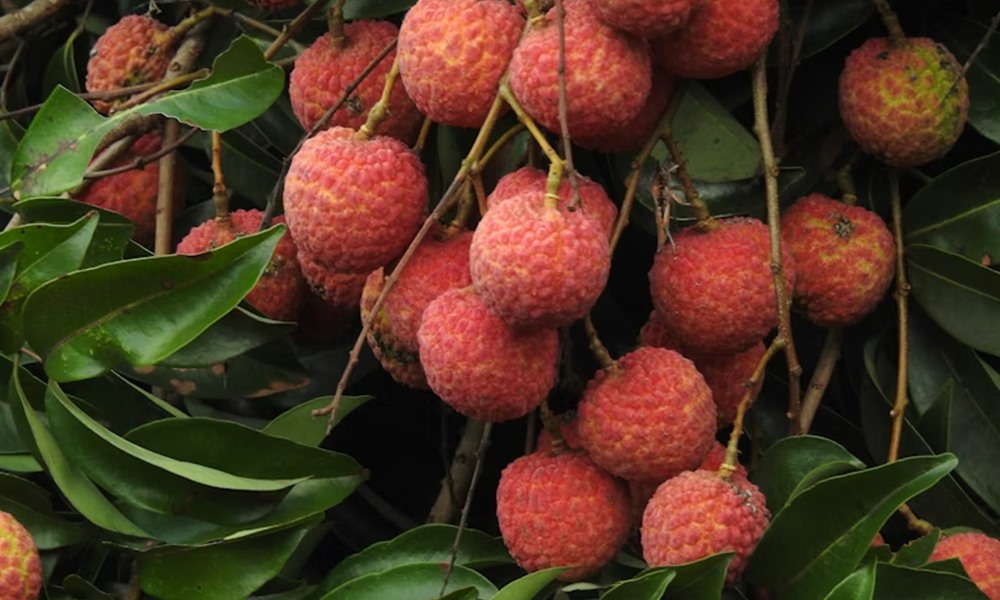

Few fruits spark as much quiet fascination as the lychee. Even its appearance suggests distant climates and slower rhythms. The translucent flesh, the floral scent, the glossy skin – all of it invites the same thought sooner or later: what if I tried growing this myself? The seed left in your hand after eating a lychee feels almost like an invitation. But is growing lychee from seed a realistic plan – or more a test of patience than a gardening success story?
The lychee, botanically known as Litchi chinensis, already hints by its name that this is no ordinary house or garden plant.
Why Grow It From Seed at All?
Across most of the world, lychee is not propagated from seed but through grafting or air layering. These methods preserve the exact characteristics of the parent plant: flavour, fruit size, and time to maturity.
Growing from seed serves a different purpose. At home, it is rarely about quick harvests. It is about curiosity, experimentation, and the particular satisfaction of watching a living plant emerge from something you have just eaten.
Lychee Seeds Do Not Wait
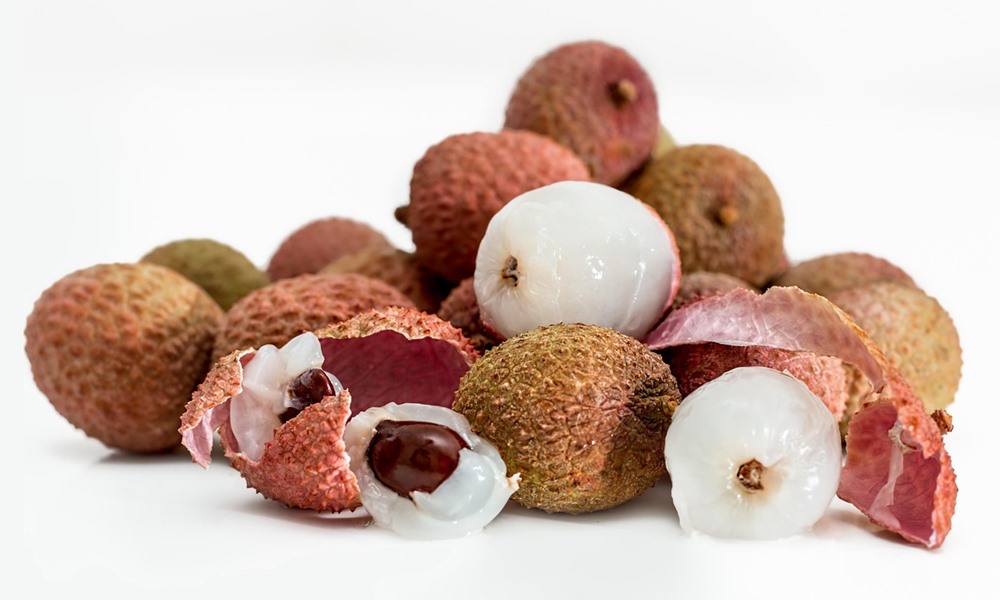
Lychee seeds are unusual in that they are viable only when fresh. They lose their ability to germinate quickly and do not tolerate drying or storage. If you want to try growing lychee from seed, the best chance comes from seeds taken straight from freshly eaten fruit.
That single fact already sets the tone: there is no saving seeds for later, no postponing the decision. Either the seed starts soon – or not at all.
Getting Started With Germination
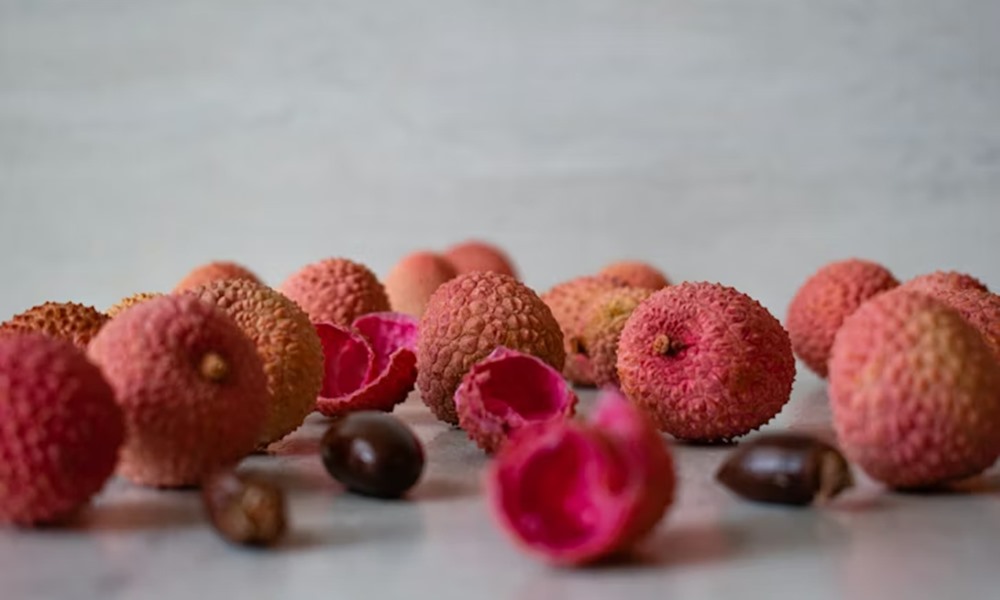
Germinating lychee seeds is not complicated, but it is sensitive. The first step is careful cleaning. Any remaining fruit flesh can encourage mould and interfere with germination, so the seed should be rinsed thoroughly.
Once cleaned, the seed benefits from a short period in a moist environment. Some growers place it in water for a day or two; others wrap it in a damp paper towel. The goal is not soaking, but preventing the seed from drying out while signalling that conditions are favourable.
When the seed begins to swell slightly, it is ready to be planted. A loose, well-draining growing medium is essential – one that holds some moisture without staying wet. The seed does not need to be buried deeply; partial coverage is sufficient.
Warmth matters more than light at this stage. As a tropical species, lychee responds best to stable, mild heat. Cool conditions rarely cause dramatic failure; instead, the seed simply remains dormant, waiting.
If all goes well, a shoot may appear within a few weeks. This is often the moment of optimism – though, in reality, this is where the real challenge begins.
What Happens After It Sprouts?
Early germination can be deceptively encouraging. The first leaves appear quickly, and growth seems promising. It is easy to think: this is working.
What follows is slower. Seed-grown lychee stays juvenile for a long time, develops gradually, and reacts strongly to its environment. Light levels, humidity, and temperature all matter, especially indoors.
Will It Ever Bear Fruit?
This is where honesty is important. Lychee grown from seed can take eight to twelve years to flower, if it ever does. Even then, fruiting is not guaranteed, and the quality of the fruit may differ significantly from the original.
This is not failure – it is simply the nature of seed propagation. Each seed carries a unique genetic outcome, for better or worse.
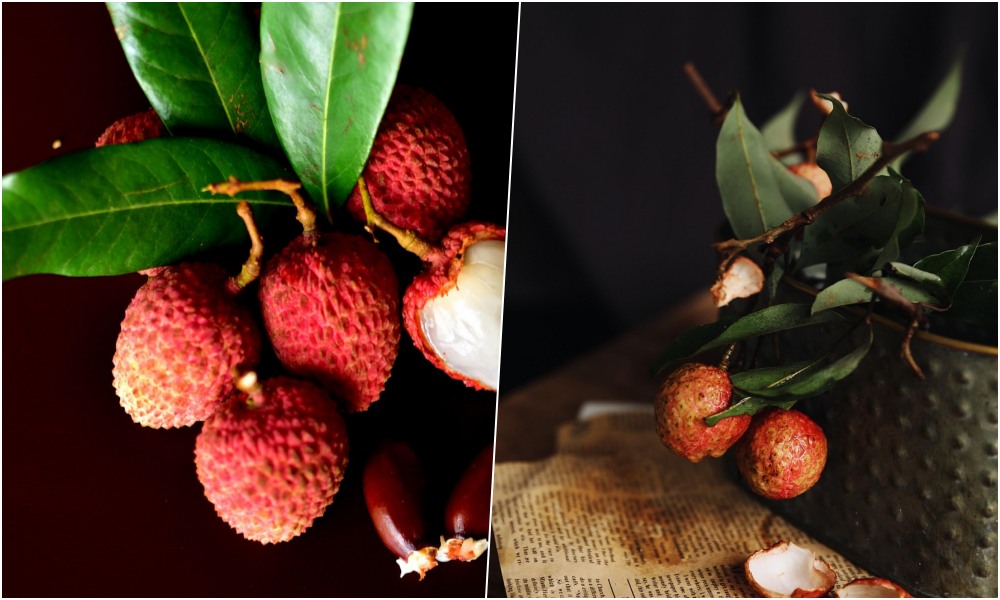
So Why Do People Still Try?
Because growing lychee from seed is rarely about fruit alone. It is about observation, patience, and learning to care for a plant that demands attention rather than speed. It teaches that not all success in gardening is measured in harvests.
Many people keep seed-grown lychee purely as an ornamental plant. Its glossy, leathery leaves are striking, and indoors it creates a distinctly tropical presence.
When It Makes Sense – and When It Does Not
Growing lychee from seed suits those who enjoy long-term projects, uncertainty, and experimentation. It is less suited to anyone seeking quick results or reliable yields.
In this sense, lychee from seed is not just a gardening task, but a relationship – a slow introduction to a tropical species that promises little, yet often gives something unexpectedly meaningful.
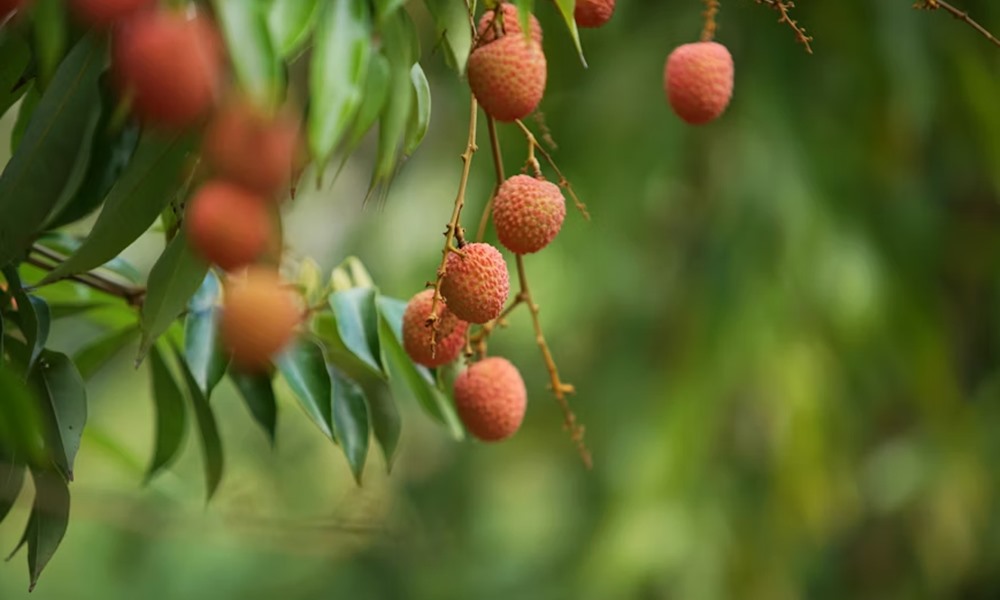
What Lychee Reveals Over Time
A seed-grown lychee quickly signals when conditions are not right. Its leaves respond to dry air, cold, and excess water. These reactions are not failures, but feedback.
The real question is not whether growing lychee from seed is worth it. It is whether you are hoping for fruit – or for the experience itself.