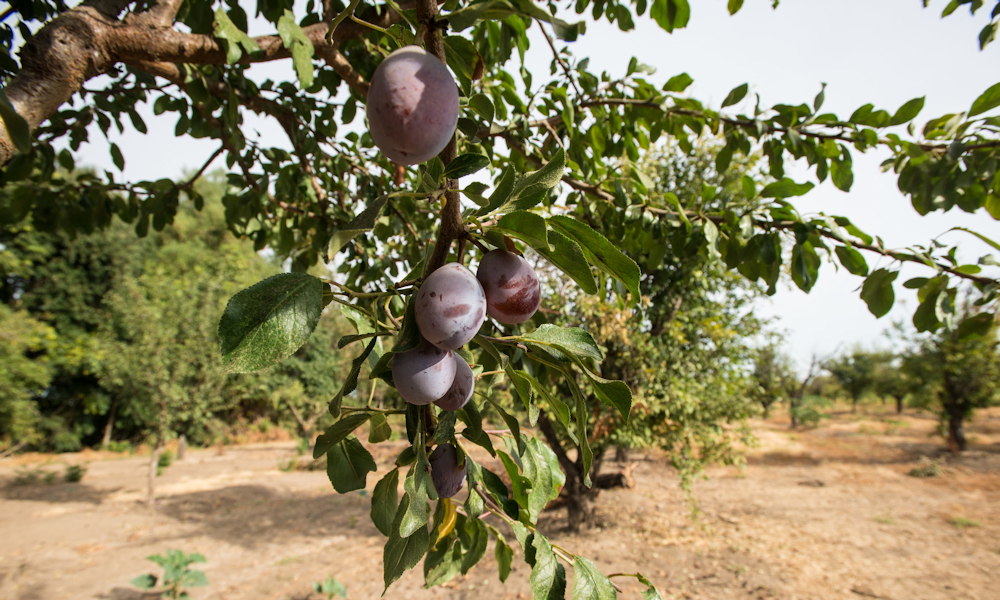

There is a fruit tree that seems to come with a story in every garden. The plum tree is one of them. Childhood memories of jam-filled kitchens, sticky fingers in late summer, and that familiar moment when the harvest becomes almost overwhelming. A plum tree can be wonderfully generous… and occasionally, surprisingly demanding.
When a Plum Tree Feels Like the Perfect Choice
In the right place and with the right variety, plum trees are remarkably rewarding. They tend to bear fruit relatively early, produce reliably for many years, and cope well without constant attention. In spring they flower generously, in summer they offer shade, and by late summer they deliver abundance—sometimes more than expected.
Plums are also versatile. Fresh, baked, dried, preserved—few fruits adapt so easily to different uses. This flexibility is one reason plum trees often stay in families for generations, valued as much for their history as for their harvest.
When Generosity Turns Into Frustration
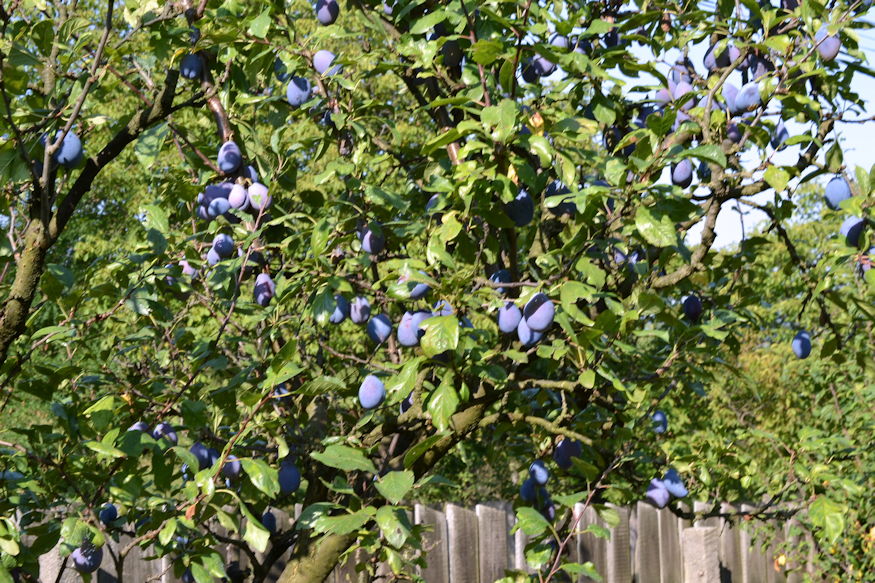
Problems usually arise when the tree becomes too productive. Heavy branches, split fruit falling to the ground, wasps, moths, and the sudden pressure to use a large harvest quickly can change enthusiasm into stress. Neglect plays a role too: a dense, unpruned canopy or a poorly chosen site can quickly lead to declining fruit quality and health issues.
Plum trees are not indifferent. They respond clearly to how they are treated—and they do not hide it when something is wrong.
Pruning: Where Most Mistakes Begin
Plum trees are often described as low-maintenance, and in some ways they are. That reputation, however, is exactly what leads to trouble. Without regular, thoughtful pruning, the canopy quickly becomes dense, fruiting wood retreats to the outer edges, and branches begin to bend or break under the weight of their own success.
Plum trees respond poorly to harsh or poorly timed cuts. Heavy pruning can trigger dieback, disease entry points, or long-term stress. This is not a tree that rewards aggressive correction. Consistent, restrained shaping over time matters far more than dramatic interventions—and mistakes tend to linger for years.
Pests: When You Are Not the Only One Waiting for the Harvest
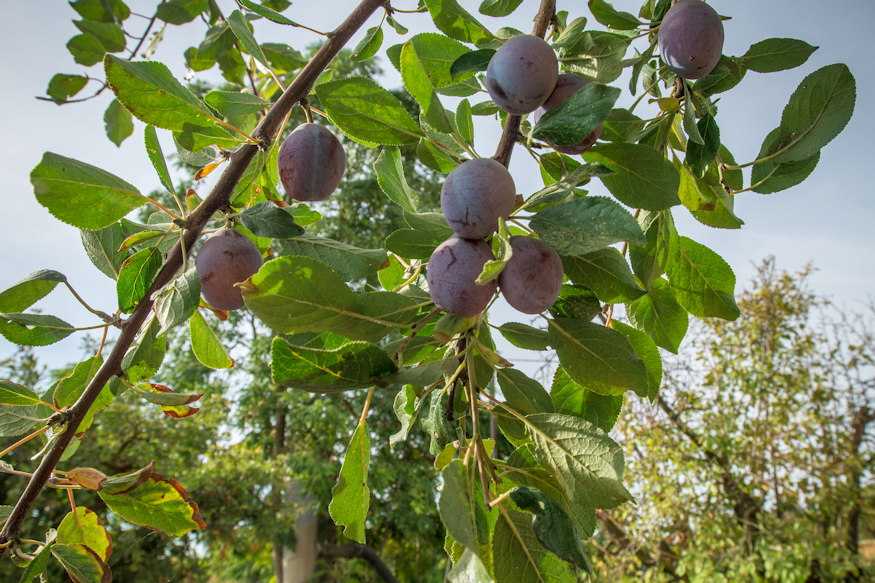
Plums rarely ripen unnoticed. Fruit moths, wasps, and other insects have perfected their timing, often targeting the most attractive fruit first. The frustrating reality is that the best-looking plums are usually the most vulnerable.
For many gardeners, this is the moment when they realize that a plum tree does not simply give—it demands attention. Miss the early signs, and a significant part of the crop may be lost before harvest even begins.
Diseases: Quiet Signals, Visible Consequences
Plum tree diseases rarely arrive overnight. Subtle leaf distortion, weakened growth, or misshapen fruit often appear long before the underlying problem is recognized. By the time symptoms become obvious, the tree has usually been responding to stress for quite some time.
Poor air circulation, dense canopies, and neglected wounds are common contributing factors. Plum trees are unforgiving in this respect: they do not conceal problems for long.
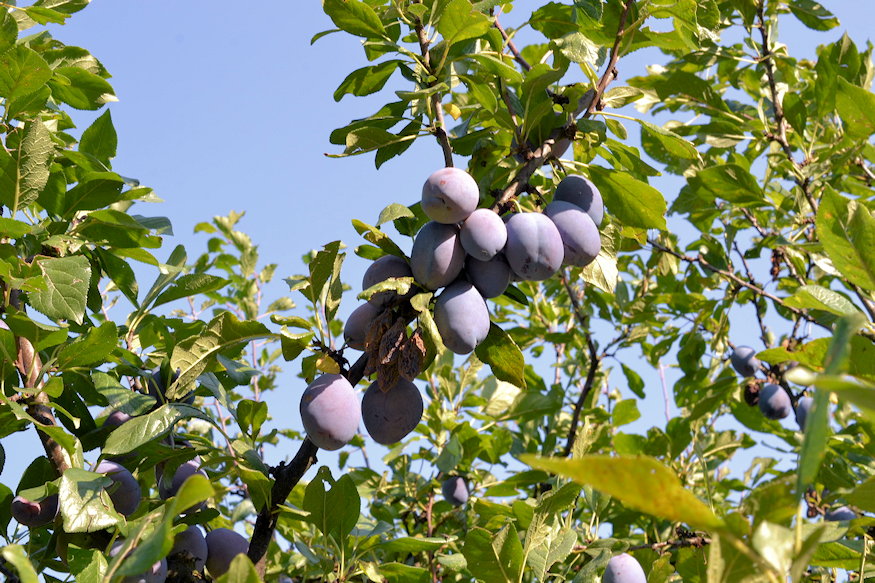
Variety Selection: Where Everything Is Decided
Many frustrations begin not with care, but with the original choice of tree. Plum varieties differ widely in growth habit, harvest time, resilience, and intended use. A variety that thrives in one garden may struggle in another.
One detail is especially easy to overlook: whether a variety is self-fertile or requires a pollination partner. A solitary tree that is not self-fertile may flower beautifully year after year—and still fail to produce fruit. This often leads gardeners to blame weather or care, when the real cause was determined at planting.
Plum trees do not compensate for missing pollinators. They simply reflect the conditions they are given.
The Quiet Agreement Between Gardener and Tree
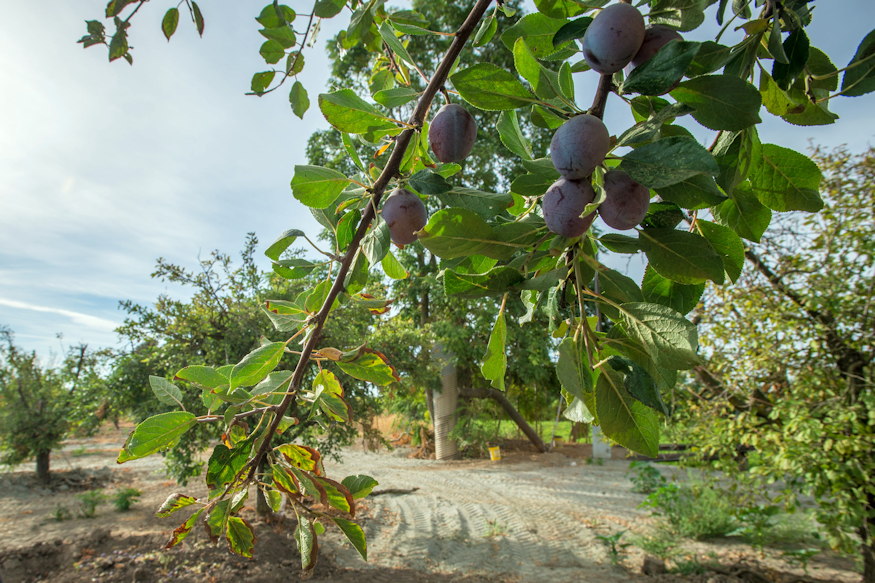
A plum tree does not demand constant care, but it does expect consistency. When basic needs are met at the right time and in the right measure, it remains a reliable companion for decades. Without that balance, even a generous tree can become a source of frustration.
What a Plum Tree Really Teaches
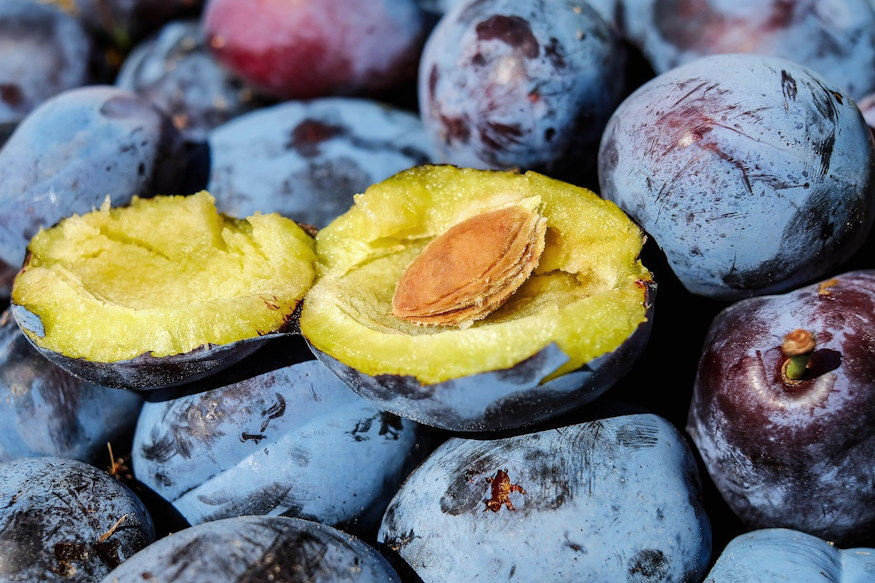
Plum trees are honest teachers. They remind us that abundance always comes with responsibility, and that even the most rewarding plants rely on thoughtful care. The real question is not whether a plum tree is worth planting—but whether we are ready for the relationship it offers.